

ESD Packaging for Sensitive Electronic Components
A single unnoticed electrostatic discharge can destroy sensitive semiconductors, which is why ESD packaging has become standard in electronics manufacturing. At BagMatic, you receive this protective material matched to your component and your packaging process, not as anonymous bulk stock. The material cost is tiny compared with the damage a single ruined module causes.
ESD packaging is available here in several forms, from dissipative antistatic bags and antistatic film to shielding variants with a metallized layer. Which form fits depends on sensitivity, shipping route and quantity. For electronics packaging we supply both the material and the matching packaging technology in coordination.
Availability matters in daily business. We keep common ESD packaging formats in stock and convert special sizes to your dimensions. That way you avoid long waiting times when an order needs to be packed safely at short notice.
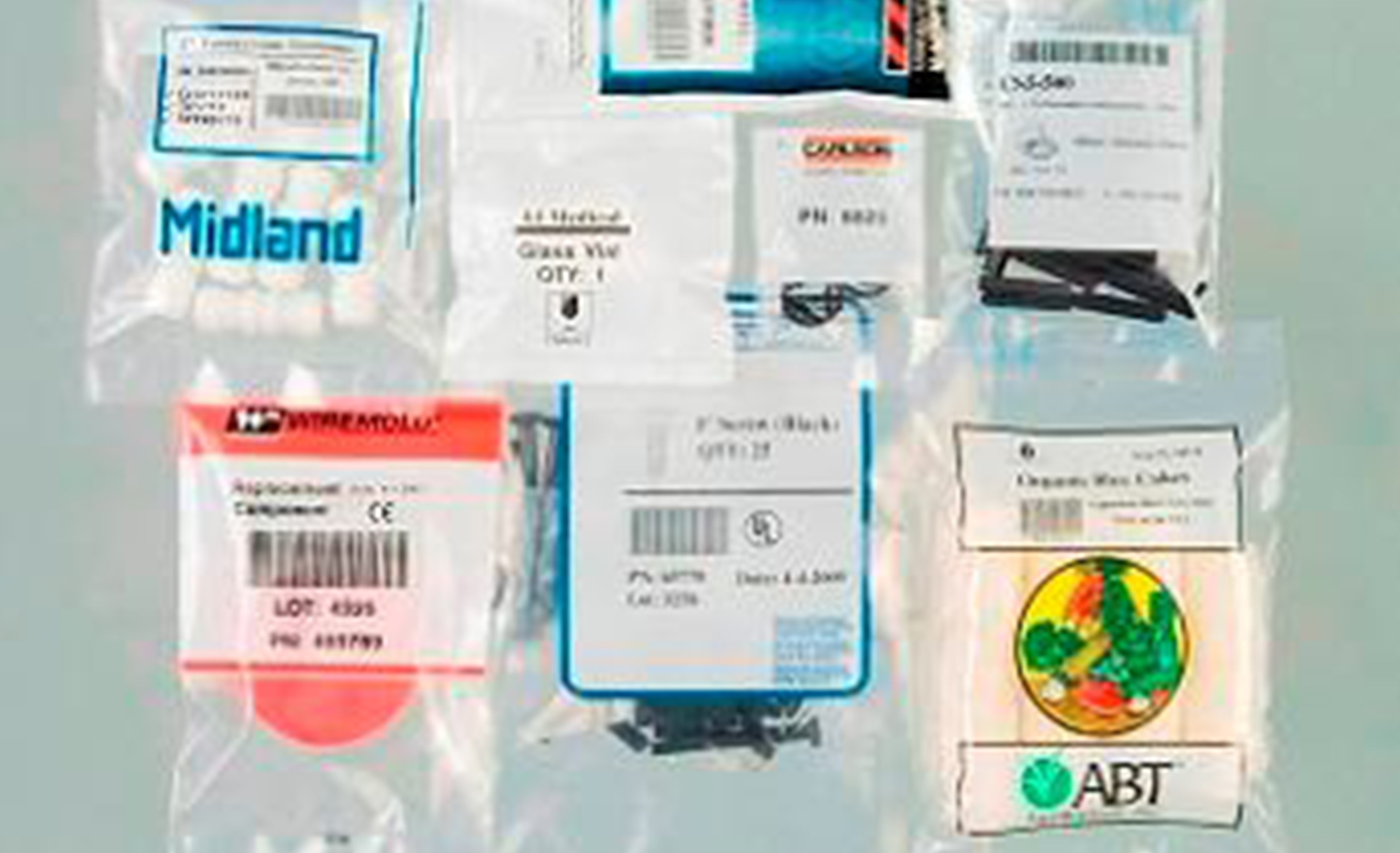
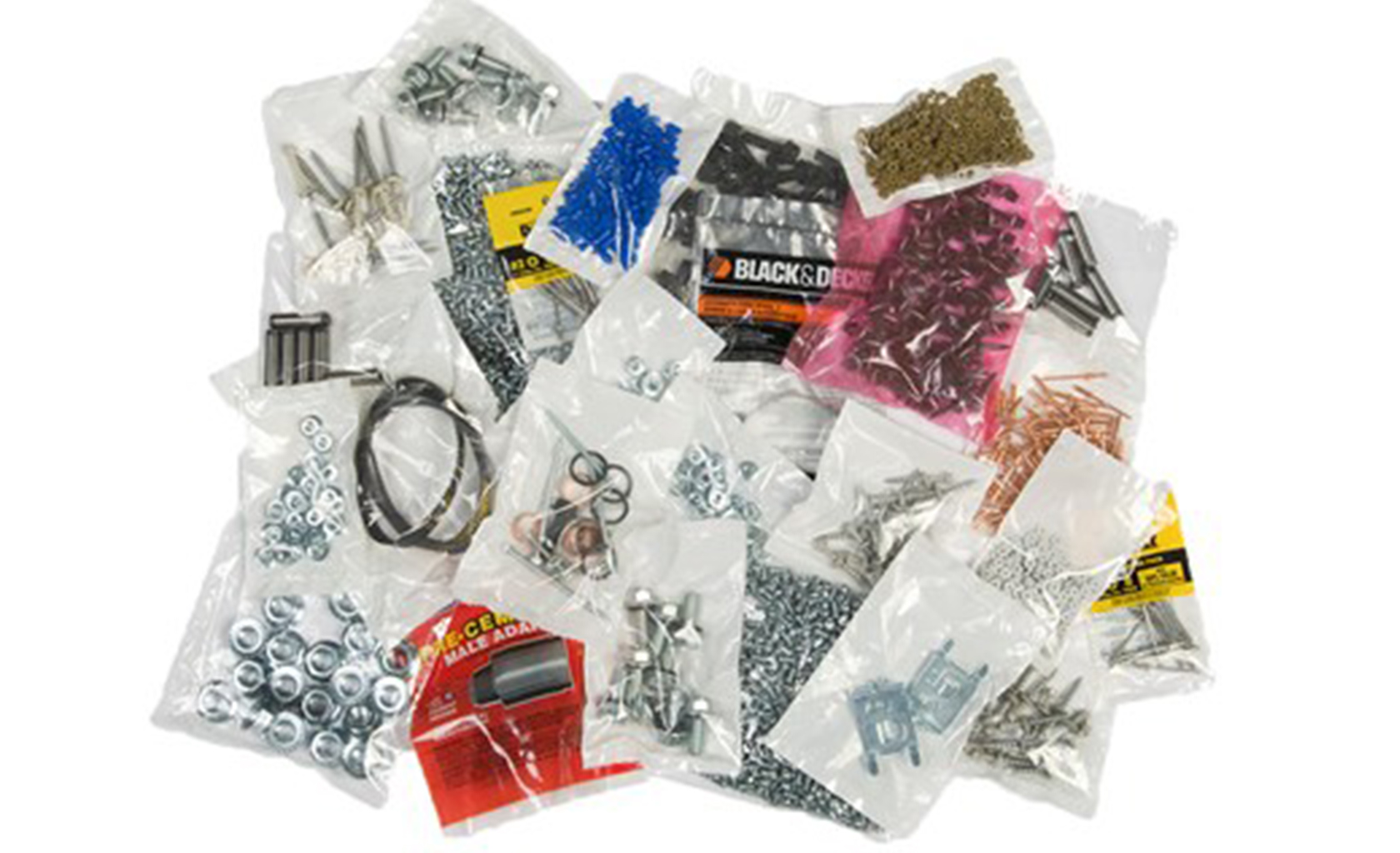
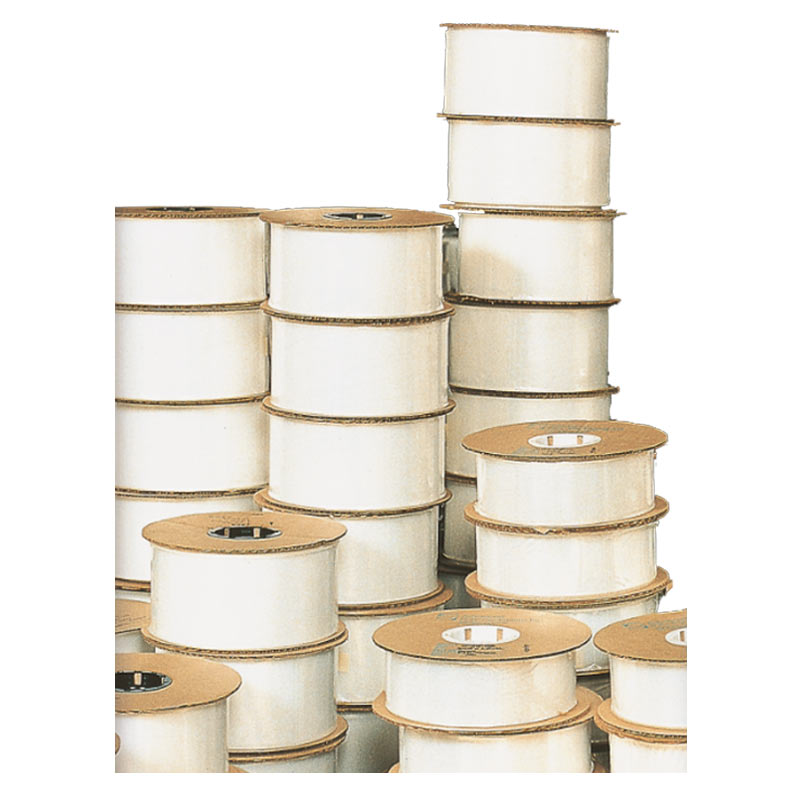
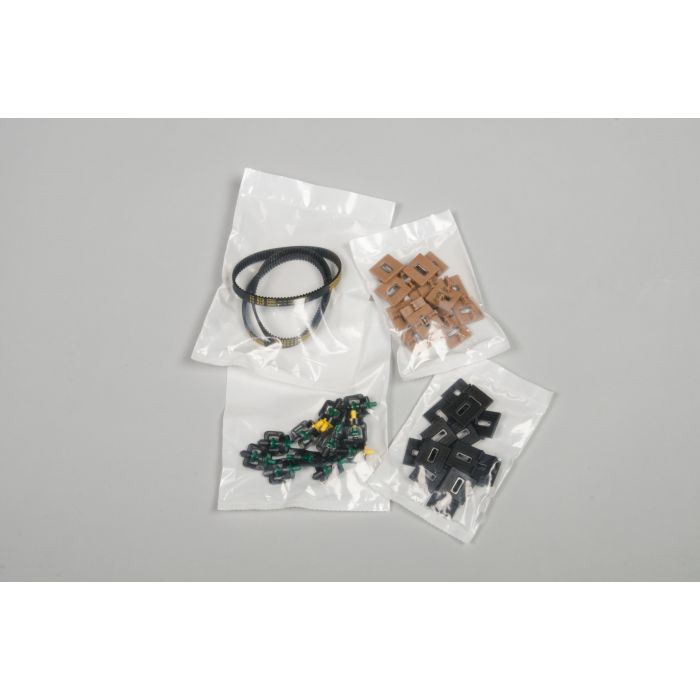

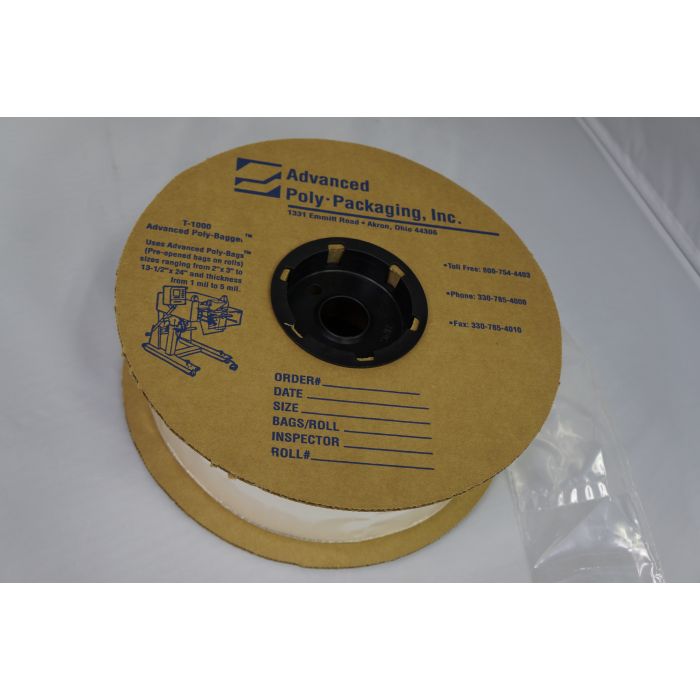
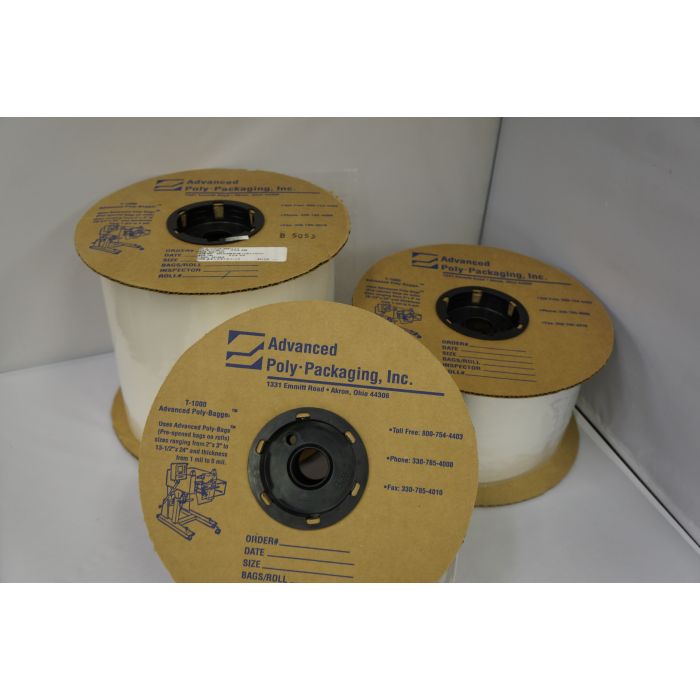



Request your antistatic film from BagMatic now:
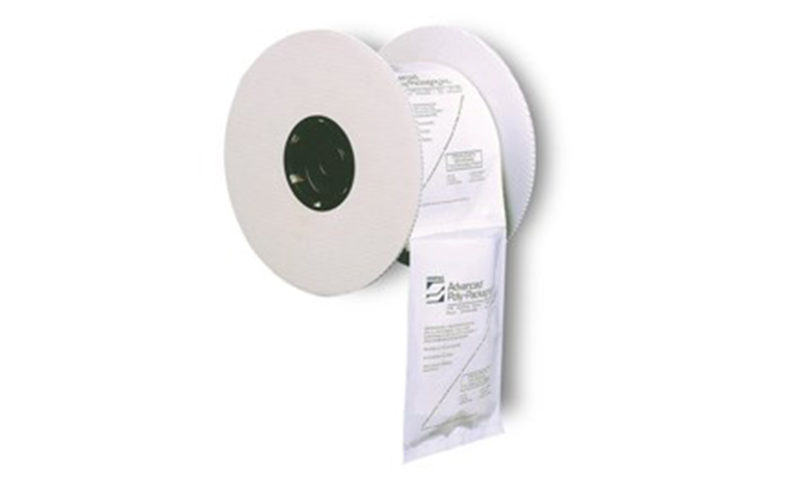
We also have the right packaging machines (click here).
Less Scrap Through Reliable Protection Against Charging
Because it limits triboelectric charging and drains existing charge in a controlled way, ESD packaging measurably lowers your scrap rate. Every damaged component costs twice. Once in material, once in the complaint. Damage from electrostatic discharge often stays invisible and only shows up at the end customer as an early failure.
Where is the economic lever? In the defect rate. ESD safe packaging reduces field failures, returns and rework, which in electronics quickly become more expensive than the packaging itself. This is exactly where our neutralization of static electricity comes in, removing charge already within the packaging cycle.
Process reliability benefits as well. When material, handling and machine are aligned, dependence on individual operators drops. Consistently processed ESD packaging makes packaging quality plannable rather than random.
When ESD Packaging Pays Off Against Standard Film
Whether ESD packaging pays off against ordinary packaging film depends on how sensitive your products are. For purely mechanical protection, standard film is often enough. As soon as semiconductors, circuit boards or magnetic data carriers are involved, there is no way around an antistatic solution.
The rule of thumb is simple. If a component cannot reliably survive a discharge of a few hundred volts, it belongs in an ESD bag. Standard film can even charge itself as it unwinds and increase the very risk it is meant to prevent.
The shipping route also shapes the right ESD packaging. For short in-house transport, simple antistatic bags are enough, while worldwide shipping with several transfers calls for metallized static shielding bags. That way you only pay for the protection level your product actually needs.
Surface Resistance and Material Thickness in ESD Packaging
How do you tell which ESD packaging fits technically? By the surface resistance. The IEC 61340-5-1 standard sorts materials by their resistance into clear classes, from conductive through dissipative to insulative. This classification decides whether a material drains charge quickly, in a controlled way or not at all.
The overview below sorts the common ESD material classes by standard:
| Material class | Surface resistance (IEC 61340-5-1) | Working principle | Typical packaging |
|---|---|---|---|
| Conductive | below 1 × 10⁴ Ω | drains charge immediately | black conductive bags, ESD foam |
| Dissipative | 1 × 10⁴ to 1 × 10¹¹ Ω | drains charge slowly and in a controlled way | antistatic bags, antistatic film |
| Shielding | dissipative skin plus metal layer | screens external fields (Faraday cage) | static shielding bags for highly sensitive parts |
| Insulative | above 1 × 10¹¹ Ω | no charge drain | standard polyethylene, not ESD-suitable |
For most components the dissipative class is the right compromise, because it drains charge gently without creating a hard short circuit. Field-sensitive parts additionally belong in shielding bags. Plain standard polyethylene offers no ESD protection, even though it looks identical from the outside.
Pay attention to material thickness as well. A thin film is enough for light boards, while heavy or sharp-edged parts need a stronger film or antistatic bubble bags for cushioning. We check both values together with you before any material is fixed.
Europe-Wide On-Site Service Within 48 Hours
Material alone does not make safe packaging. So that your ESD packaging protects reliably in everyday use, we support you from material choice to the running line. If a problem arises, our Europe-wide service is reachable for you within 48 hours.
On request, we print ESD bags and pouches directly during the packaging process. With your logo, with warning symbols or batch data. Such custom bag printing combines protection with clear labeling and prevents mix-ups in logistics.
As a family business in its third generation, we think of packaging as a system, not as a single item. Anti static packaging, the matching machine and service come from one source here. Ask about your requirements without obligation, and we will calculate the solution that fits your components.